


Children use their eyes to explore the world, learn new skills, read books, play sports, and interact with the people around them. Healthy vision plays an important role in their physical development, academic performance, and everyday activities. However, many children may experience vision problems without realizing that their eyesight is different from normal. This is why kids eye care should be an essential part of every family’s health routine.
From infancy to the teenage years, children’s eyes go through several stages of development. Regular eye examinations, healthy daily habits, appropriate eyewear, and protection from harmful ultraviolet (UV) rays can help support good vision. Parents and caregivers also need to recognize early warning signs that may indicate an eye problem.
Whether your child spends time reading, attending school, playing outdoors, or using digital devices, taking the right steps can make a meaningful difference in their eye health. This complete guide explains the importance of kids eye care, common childhood vision problems, preventive measures, and practical tips parents can follow to help protect their children’s eyesight.
Why Is Kids Eye Care Important?
Good eyesight is important for many aspects of childhood development. Children rely on their vision to recognize letters, understand pictures, judge distances, coordinate movements, and participate in classroom activities. When a child has an untreated vision problem, everyday tasks may become more challenging.
For example, a child who struggles to see the classroom board might have difficulty following lessons. Another child may avoid reading because the words appear blurry or their eyes become uncomfortable after a short period. These difficulties can sometimes be mistaken for a lack of interest, poor attention, or learning challenges.
Early attention to eye health helps parents identify possible problems before they interfere with daily life. Some childhood eye conditions may respond better to treatment when discovered early, particularly during the years when the visual system is developing.
Kids eye care is not limited to correcting blurry vision. It also involves monitoring eye development, preventing injuries, encouraging healthy habits, and making sure children receive professional attention whenever concerns arise.
When Should Children Have Their Eyes Examined?
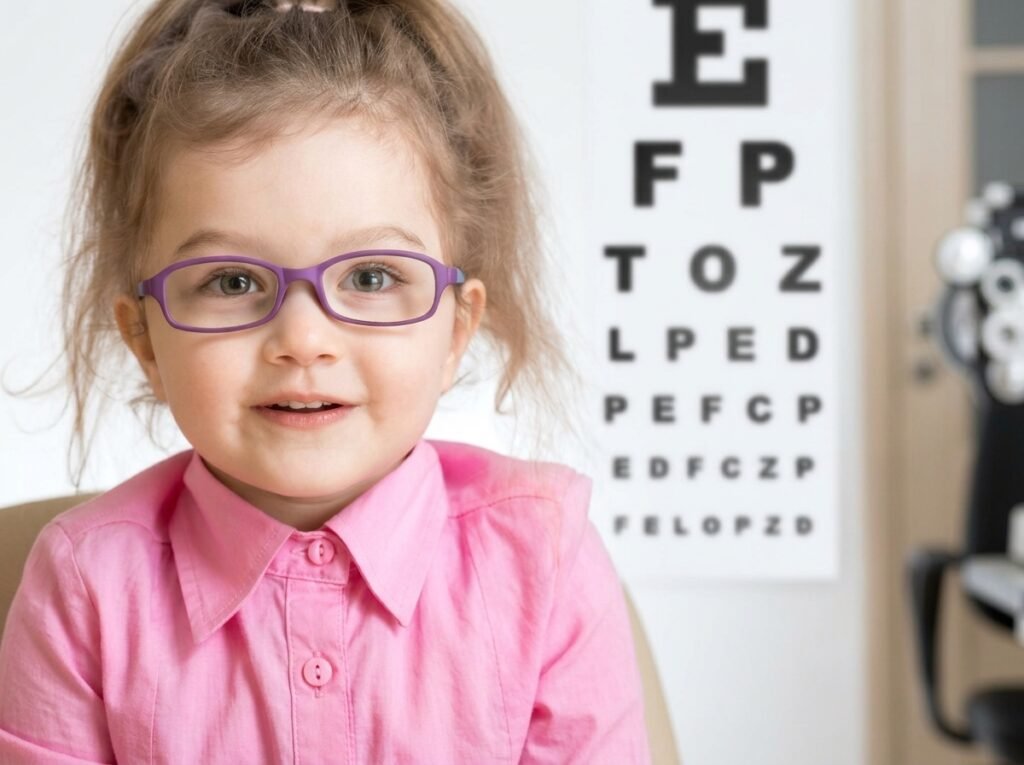
Parents sometimes assume that a child only needs an eye examination after complaining about blurry vision. However, children may not recognize or communicate vision difficulties clearly. Regular professional examinations can help identify problems that are not obvious at home.
The appropriate examination schedule depends on the child’s age, health, symptoms, and risk factors. A pediatrician may check vision during routine visits, but a screening is not the same as a comprehensive eye examination.
Parents should consider the following general guidelines:
- Infancy: A healthcare professional should assess eye health during routine newborn and infant checkups.
- Preschool years: Children should receive age-appropriate vision screening, with a comprehensive examination if screening results are abnormal or concerns arise.
- School age: Regular vision screenings and professional eye examinations when recommended can help identify changes as children grow.
- Teenage years: Eye health should continue to be monitored, particularly when schoolwork, digital device use, or changing vision creates new concerns.
Children with a family history of eye conditions, premature birth, developmental concerns, or existing vision problems may need more frequent evaluations.
If your child has an eye turn, persistent redness, frequent headaches associated with visual tasks, or difficulty seeing, do not wait for the next routine screening. Arrange an assessment with an appropriate eye care professional.
Common Vision Problems in Children
Understanding common childhood vision problems helps parents recognize when professional advice may be needed. Many conditions can be managed effectively when diagnosed appropriately.
1. Nearsightedness
Nearsightedness, also known as myopia, makes distant objects appear blurry while nearby objects remain clearer. Children with myopia may struggle to see the classroom board, recognize distant signs, or identify people across a room.
Some children squint, move closer to the television, or prefer sitting near the front of the classroom. An eye examination can determine whether prescription glasses or other management options are appropriate.
Spending time outdoors and maintaining healthy visual habits may help reduce the risk of myopia developing, although these measures cannot guarantee that a child will never need glasses.
2. Farsightedness
Farsightedness, or hyperopia, makes close-up activities potentially more difficult. Mild farsightedness can be normal in young children, but more significant cases may cause eye strain, headaches, or difficulty focusing.
An eye care professional can determine whether treatment is necessary based on the child’s prescription, symptoms, and overall visual development.
3. Astigmatism
Astigmatism occurs when the shape of the eye’s cornea or lens causes light to focus unevenly. This can result in blurry or distorted vision at different distances.
Children with astigmatism may experience visual discomfort or struggle with reading and recognizing details. Prescription glasses are a common way to correct this condition.
4. Amblyopia
Amblyopia, commonly called lazy eye, occurs when vision does not develop normally in one or both eyes. It may be associated with differences in prescription between the eyes, strabismus, or other conditions that interfere with normal visual development.
Because children may not realize that one eye sees less clearly, the condition can go unnoticed without appropriate assessment. Treatment depends on the cause and may include glasses, patching, or other professional interventions.
5. Strabismus
Strabismus occurs when the eyes do not consistently point in the same direction. One eye may turn inward, outward, upward, or downward.
Parents should arrange an eye examination if they notice a persistent or recurring eye turn. Early evaluation is important because strabismus can affect visual development and may be associated with amblyopia.
Essential Kids Eye Care Tips for Parents
Protecting children’s eyesight does not require complicated routines. Consistent daily habits and appropriate medical care can help support their visual health.
Encourage Outdoor Activities
Outdoor play provides children with opportunities to move, explore, and enjoy natural light. Research suggests that spending more time outdoors can help reduce the risk of developing myopia, especially in children who have not yet become nearsighted.
Encourage activities such as walking, cycling, playing in a park, gardening, or participating in outdoor sports. Whenever possible, balance indoor study and entertainment with regular outdoor time.
Children should also use suitable sun protection, including UV-protective sunglasses and a hat when appropriate. Outdoor activities should be planned with the weather, heat, and other safety considerations in mind.
Follow Healthy Screen-Time Habits
Smartphones, tablets, computers, and televisions are part of modern childhood. However, extended periods of close-up screen use can contribute to temporary eye strain, dryness, and discomfort.
Parents can encourage healthier screen habits by:
- Taking regular breaks during prolonged screen use.
- Encouraging children to look at distant objects periodically.
- Keeping screens at a comfortable viewing distance.
- Adjusting brightness to suit the surrounding environment.
- Encouraging children to blink normally and avoid holding devices too close.
- Maintaining a healthy balance between screen activities, sleep, reading, and outdoor play.
A useful reminder is the 20-20-20 rule: after every 20 minutes of close-up work, look at something about 20 feet away for at least 20 seconds. This can help relieve visual discomfort, although it does not replace regular breaks or professional care.
Provide Proper Lighting for Reading
Children should have sufficient lighting when reading, writing, drawing, or completing homework. Poor lighting may make these activities less comfortable, especially when combined with long periods of close-up focus.
Position reading lights to minimize glare and shadows. Encourage children to sit comfortably, keep books at a reasonable distance, and take breaks when their eyes feel tired.
Reading in dim light does not usually cause permanent eye damage, but it can contribute to discomfort. Good lighting and appropriate reading habits help create a more comfortable learning environment.
Choosing the Right Glasses for Kids
Some children need prescription glasses to see clearly or support normal visual development. Choosing suitable eyewear involves more than selecting a color or frame design. Comfort, fit, durability, and the child’s prescription should all be considered.
Select Comfortable and Durable Frames
Children are active, so their glasses should fit securely without pinching the nose, pressing against the ears, or slipping constantly. Lightweight frames can be more comfortable for everyday wear.
Flexible materials may be helpful for younger children, while older children may prefer designs that reflect their personal style. Adjustable nose pads, well-fitted temples, and secure hinges can also improve comfort.
The best frame is one that fits properly and suits the child’s daily activities. An eye care professional or qualified optical provider can help parents select an appropriate option.
Choose Suitable Lenses
Prescription lenses should match the child’s current prescription and visual needs. Depending on the child’s age and activities, an optical professional may recommend impact-resistant lens materials, such as polycarbonate or Trivex.
Scratch-resistant coatings may also help protect lenses during everyday use. However, no lens is completely unbreakable, and ordinary prescription glasses should not automatically be considered protective sports eyewear.
For children who participate in sports or activities involving flying objects, balls, or possible collisions, choose protective eyewear designed for the specific activity. Follow the relevant safety standards and professional recommendations.
Make Glasses a Positive Experience
Children may initially feel uncomfortable about wearing glasses, particularly if they worry about how they look. Parents can help by allowing children to participate in frame selection and explaining how glasses make seeing easier.
Praise consistent use when glasses have been prescribed, and establish a safe storage routine. Keep a protective case available and avoid leaving glasses where they can be crushed or scratched.
If the glasses cause headaches, persistent discomfort, or continued difficulty seeing, arrange a follow-up with the eye care professional rather than changing the prescription independently.
Protect Children’s Eyes From Sunlight
Ultraviolet radiation from the sun can affect the eyes. Developing healthy sun-protection habits during childhood is therefore an important part of long-term eye care.
Choose sunglasses that provide 100% UVA and UVB protection or are labeled UV400. Dark lenses alone do not guarantee adequate UV protection.
Look for sunglasses that fit comfortably and provide suitable coverage. A wide-brimmed hat can offer additional protection, especially during outdoor activities.
For children who already wear prescription glasses, prescription sunglasses or suitable fit-over sunglasses may be useful options. Parents should ask an optical professional about the most appropriate choice for the child’s prescription and lifestyle.
Sunglasses are particularly useful around reflective surfaces such as water, sand, and snow, where UV exposure may be increased. Encourage children to wear them when appropriate instead of treating them as an occasional fashion accessory.
Healthy Nutrition for Children’s Eye Health
A balanced diet supports overall growth and helps provide nutrients needed for normal eye function. Children do not need a special diet to maintain healthy eyes, but varied, nutritious meals can contribute to good health.
Include foods such as:
- Carrots and sweet potatoes: Provide beta-carotene, which the body can convert into vitamin A.
- Leafy green vegetables: Offer nutrients such as lutein and zeaxanthin.
- Eggs: Provide several nutrients, including lutein and zeaxanthin.
- Fish: Certain varieties provide omega-3 fatty acids.
- Citrus fruits and berries: Supply vitamin C and other beneficial nutrients.
- Milk, beans, and other nutritious foods: Help provide a range of vitamins and minerals as part of a balanced diet.
Vitamin A is essential for normal vision, but giving children high-dose supplements without medical advice is not recommended. Supplements are generally unnecessary when children eat a balanced diet unless a healthcare professional identifies a specific need.
Encourage children to drink enough water, eat a variety of foods, and develop healthy eating habits that support their overall well-being.
Warning Signs Parents Should Never Ignore
Children do not always explain vision problems directly. Instead, they may change their behavior or develop habits that suggest they are having trouble seeing.
Watch for signs such as:
- Frequent squinting or closing one eye.
- Holding books, toys, or screens unusually close.
- Tilting the head to see objects.
- Frequent eye rubbing or watery eyes.
- Complaints of blurry vision or double vision.
- Difficulty reading the board or completing close-up work.
- Recurrent headaches associated with visual activities.
- Avoiding reading, drawing, or other visually demanding tasks.
- An eye that turns inward or outward.
- Unusual sensitivity to light.
These signs do not always indicate an eye condition, but they deserve attention if they persist or interfere with daily activities.
Seek urgent medical attention for sudden vision loss, a serious eye injury, severe eye pain, or chemical exposure to the eye. For a chemical splash, immediately rinse the eye with plenty of clean, lukewarm running water and seek urgent medical guidance. Do not delay rinsing while arranging care.
Teaching Children Good Eye Care Habits
Children are more likely to follow healthy routines when parents demonstrate them consistently. Simple habits established early can continue into adulthood.
Help your child wash their hands before touching their eyes and avoid rubbing irritated eyes. Keep personal towels clean, and do not share eye makeup or contact lenses. Children who wear contact lenses should follow their eye care professional’s instructions for cleaning, storage, and wearing schedules.
Make sure prescription glasses are cleaned properly and stored safely when not in use. Encourage children to speak up if their vision becomes blurry or their eyes feel uncomfortable.
Parents should also keep track of recommended eye appointments and share any family history of childhood eye conditions with the healthcare professional. Teachers and caregivers can be helpful partners when a child has difficulty seeing classroom materials or participating in activities.
Conclusion
Kids eye care is an important part of supporting children’s learning, development, and everyday comfort. Regular eye examinations, balanced nutrition, outdoor activities, healthy screen habits, UV protection, and properly fitted eyewear all contribute to a practical approach to childhood eye health.
Parents should pay attention to changes in behavior, recognize potential warning signs, and seek professional advice when concerns arise. Children who need glasses should receive the correct prescription and frames suited to their age, comfort, and activities.
Most importantly, eye care should become a normal part of a child’s healthcare routine rather than something considered only when a problem appears. By encouraging healthy habits from an early age and arranging appropriate professional care, parents can help their children build a strong foundation for lifelong visual health.
Frequently Asked Questions About Kids Eye Care
1. Why is kids eye care important?
Kids eye care is important because healthy vision supports children’s learning, physical development, coordination, and everyday activities. Regular eye examinations can help identify vision problems early and allow children to receive appropriate treatment when needed.
2. How often should children have an eye examination?
The frequency depends on the child’s age, medical history, symptoms, and previous examination results. Children should receive age-appropriate vision screenings and comprehensive eye examinations when recommended by a healthcare professional. Children with vision problems or risk factors may need more frequent visits.
3. What are the common signs of vision problems in children?
Common signs include squinting, sitting too close to screens, holding books close to the face, frequent eye rubbing, headaches during reading, blurry vision, and difficulty seeing the classroom board. Parents should arrange an eye examination if these signs persist.
4. At what age should a child first visit an eye doctor?
Eye health should be assessed during infancy as part of routine healthcare. Children should receive vision screening during early childhood, with a comprehensive eye examination if a problem is suspected or screening results are abnormal. An eye care professional can recommend the appropriate schedule.
5. Can too much screen time damage children’s eyes?
Extended screen use can cause temporary eye strain, dryness, and discomfort. It may also be associated with a higher risk of nearsightedness, particularly when children spend excessive time on close-up activities and little time outdoors. Regular breaks, comfortable viewing distances, and outdoor play can help support healthy visual habits.
6. What foods are good for children’s eye health?
Carrots, sweet potatoes, leafy green vegetables, eggs, fish, citrus fruits, and other nutritious foods can contribute to healthy vision. A balanced diet provides essential nutrients, including vitamin A, which supports normal eye function.
7. How can parents protect children’s eyes from sunlight?
Parents can choose sunglasses that provide 100% UVA and UVB protection or UV400 protection. A wide-brimmed hat can provide additional coverage. Sunglasses should fit comfortably and be suitable for the child’s outdoor activities.
8. What type of glasses are best for kids?
The best glasses depend on the child’s prescription, age, face shape, and activities. Lightweight, durable frames and impact-resistant lenses may be suitable options. An optical professional can help ensure that the glasses fit correctly and provide the required vision correction.
9. Can children outgrow their vision problems?
Some childhood vision issues may change as the eyes develop, but others require ongoing treatment or monitoring. Parents should not assume that a vision problem will disappear with age. Regular examinations help determine whether a child’s prescription or treatment needs to change.
10. Does spending time outdoors help children’s eyesight?
Yes. Research suggests that spending more time outdoors can reduce the risk of developing nearsightedness, especially in children who have not yet developed it. Outdoor activities also encourage physical exercise and provide a healthy balance to close-up tasks.
11. When should parents seek urgent eye care for children?
Parents should seek urgent medical attention if a child experiences sudden vision loss, severe eye pain, a serious eye injury, or chemical exposure. Persistent redness, unusual eye movements, double vision, or ongoing visual difficulties should also be assessed promptly by an appropriate healthcare professional.
12. How can parents encourage good eye care habits in children?
Parents can encourage regular eye examinations, balanced nutrition, outdoor play, appropriate screen breaks, proper handwashing, and the safe use of prescription glasses. Making these habits part of everyday family life helps children understand the importance of protecting their vision.